We prepare wills, lasting powers of attorney and trusts for business owners and their families, and act for executors in the administration of estates. If you own shares in a company or an interest in a partnership, your will needs to fit with your shareholder or partnership agreement, and the inheritance tax treatment of your business needs to be considered when the will is drafted. We take your instructions in a meeting, set out the options and our recommendation in writing, and arrange the signing so that the documents are valid.

A will sets out who receives your estate, who deals with it, and who you would like to look after any children under 18. For a business owner it also needs to deal with your shares or partnership interest. We read your shareholder or partnership agreement before drafting, because it may require your shares to be offered to your co-owners when you die, which changes what your family receives. We also look at whether Business Relief from inheritance tax is likely to be available on your business and how the will can make the best use of it, working with your accountant or financial adviser where you have one.

A lasting power of attorney lets you choose the people who can make decisions for you if you cannot make them yourself. There are two types, one for property and financial affairs and one for health and welfare, and each must be registered with the Office of the Public Guardian before it can be used. If you lose capacity without one, your family may need to apply to the Court of Protection for a deputy to be appointed, which involves a court application, fees and ongoing supervision. Business owners should also check the company's articles, which decide who can act as a director. Under the model articles, a director stops being a director if a doctor treating them gives the company a written opinion that they cannot act as a director and may not be able to for more than three months.

When someone dies, we can act for the executors on the whole administration of the estate or on particular steps: valuing the assets and debts, completing the inheritance tax forms, applying for the grant of probate, collecting the assets, paying debts and tax, and distributing the estate. Where the estate includes shares in a private company or a partnership interest, we deal with the co-owners on the transfer or sale.

To make a will, bring a list of your assets and debts with approximate values, any existing will, your shareholder or partnership agreement, details of pension and life insurance nominations, and the names of the people you want to include. For an estate, bring the will, the death certificate and any recent statements or valuations. We confirm the scope of the work and the fee in writing before we start.

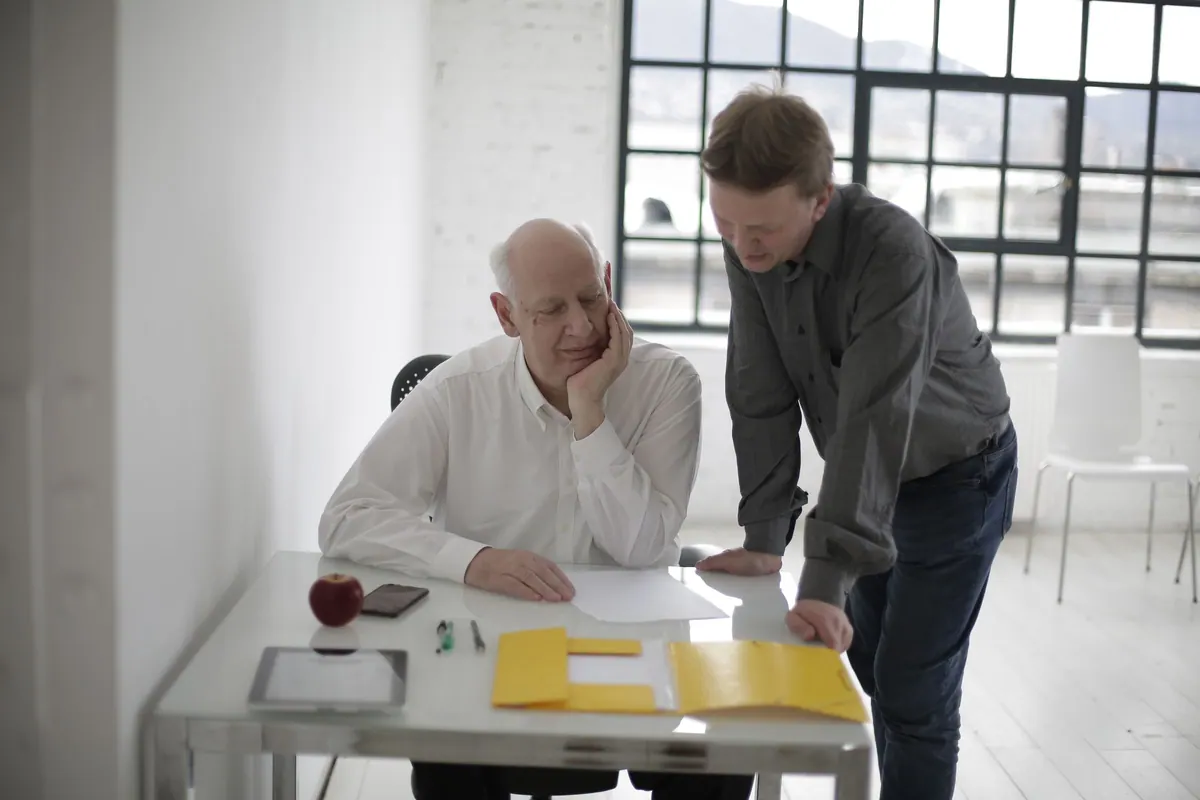
Common reasons clients contact us

You own shares in a company or a share of a partnership and have no will, or your will was made before you started the business.
You have married, separated, divorced or had children since you last made a will.
You want someone you trust to be able to manage your finances or make decisions for you if you cannot.
You are an executor and need help with probate, inheritance tax or selling a property.
You want your co-owners to be able to buy your shares when you die and your family to receive their value.
Your accountant or financial adviser has recommended that you review your will or set up a trust.

What we do

The work we do most often in this area. If your matter is not listed, ask us.

Wills for business owners

Wills that deal with your shares or partnership interest alongside your home, savings and possessions, checked against your shareholder or partnership agreement and drafted with the inheritance tax treatment of your business in mind, including whether Business Relief is likely to apply.

Lasting powers of attorney

Property and financial affairs and health and welfare LPAs, with advice on choosing attorneys, whether they should act jointly or separately, and the instructions and preferences to include. We prepare the documents, arrange signing and witnessing, and deal with registration with the Office of the Public Guardian.

Probate and estate administration

Acting for executors and administrators from the first steps to final distribution: valuing assets and debts, inheritance tax forms and payment, applying for a grant of probate or letters of administration, collecting the assets, and preparing estate accounts for the beneficiaries.

Trusts

Trusts created by will or during your lifetime, for example to provide for a surviving spouse while preserving capital for children, or to hold assets for a young or vulnerable beneficiary. We explain the trustees' duties and the tax and reporting that will apply to the trust.

Inheritance tax planning

Advice on how your estate is likely to be taxed on death, the reliefs available for business assets, lifetime gifts and the use of trusts, and how your will and your business agreements can work together. We work with your accountant or financial adviser on the valuations and figures.

Business succession arrangements

Cross-option agreements and provisions in shareholder or partnership agreements that decide what happens to an owner's share on death, often funded by life insurance arranged through a financial adviser, so that the family receives the value and the co-owners keep ownership of the business.

How we handle your matter

An early view

We tell you early whether there is a problem to deal with and what your realistic options are, with the likely cost of each.

One solicitor throughout

An experienced solicitor does the work on your matter and stays your point of contact until it is finished.

Regular updates

We keep the matter moving and update you at each stage: what has happened, what happens next and when.

Questions about wills, probate & succession

What happens if I die without a will?

Your estate passes under the intestacy rules, which may not match what you would have chosen. An unmarried partner inherits nothing under those rules, however long you lived together, and may have to bring a claim against the estate through the court. If you are married or in a civil partnership and have children, your spouse or civil partner receives your personal possessions, a fixed sum and half of the rest, and your children share the other half. For a business owner, that can leave shares in the company divided between family members in proportions you did not choose.

Does marriage or divorce affect my will?

Yes. Marrying or forming a civil partnership revokes an existing will, unless the will shows that it was made in expectation of marriage to a particular person and was meant to continue afterwards. After a divorce or dissolution the will remains valid, and unless it says otherwise your former spouse or civil partner is treated as having died on the date of the divorce, so gifts to them and their appointment as an executor no longer take effect. Review your will when you marry, separate, divorce or have children, and when you buy or sell a business.

Can I leave my shares in my company to anyone I choose?

You can leave them in your will, but the company's articles or a shareholder agreement may require them to be offered to the other shareholders, or give the other shareholders an option to buy them, when you die. Your beneficiary may then receive the value of the shares rather than the shares themselves. We read those documents before drafting your will, and where you and your co-owners have a cross-option agreement backed by life insurance, we check that the will and the agreement work together.

When can a lasting power of attorney be used?

Only after it has been registered with the Office of the Public Guardian. Once registered, a property and financial affairs LPA can be used while you still have mental capacity, if you allow it, as well as after you lose capacity. A health and welfare LPA can be used only when you lack the capacity to make the decision in question. Registration takes several weeks, and longer if there are mistakes in the application, so make an LPA while you are well rather than waiting until one is needed.

Will inheritance tax be payable on my business?

It depends on what the business does, how long you have owned it and its value. Shares in a private trading company, or an interest in a trading business, held for at least two years can qualify for Business Relief. Since 6 April 2026, 100% relief applies to the first £2.5 million of qualifying business and agricultural property combined, with 50% relief above that, and any unused allowance can pass to a surviving spouse or civil partner. A business that mainly deals in land, buildings or investments does not qualify. We review the position with your accountant and draft your will to make use of the relief.

What does an executor have to do?

An executor collects the assets of the person who died, pays their debts, funeral costs and any inheritance tax, and distributes the rest as the will directs. Banks set their own rules on when they need to see a grant of probate, and a property should not be put on the market until the grant has been issued. Inheritance tax is usually due by the end of the sixth month after the death, and an executor who distributes the estate before its debts are settled may have to pay them personally. We can handle the whole administration or the parts you would rather not.

How is the cost agreed?

Before any work starts, we write to you setting out what we will do, what is not included and what it will cost, as a fixed fee or an estimate. If the work changes, we agree any change in cost with you in writing first.

Who will do the work?

One of our solicitors, Robert Festenstein or Alon, handles your matter and is your contact throughout. The letter confirming your instructions names the solicitor responsible.

How do I start?

Send us a short summary using the enquiry form, with the names of the other people or businesses involved and any deadline. We check for conflicts of interest and then arrange a call with one of our solicitors.

Speak to a solicitor about wills, probate & succession

Tell us what has happened and we'll arrange a call with one of our solicitors.